
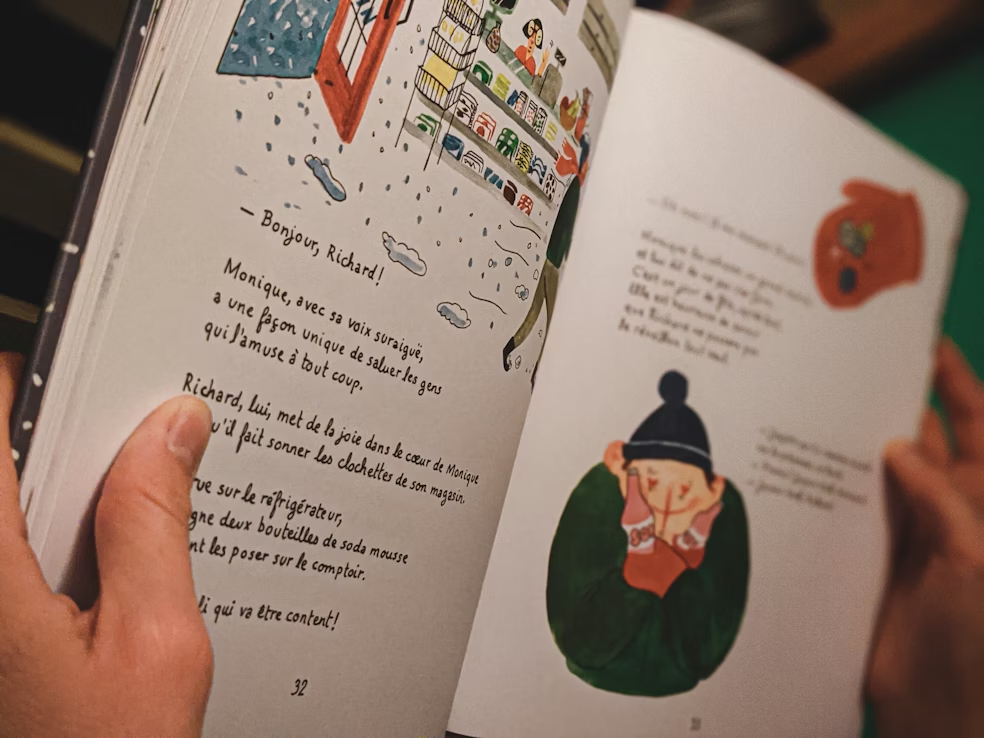
Bring your children’s book to life with clean, professional formatting and a beautiful layout that makes every page engaging, readable, and ready to publish.
11/24/20255 min read
“This post may contain affiliate links, which means I might earn a small commission (at no extra cost to you) if you decide to make a purchase through one of these links. I only recommend products I actually use or genuinely believe will bring value. Thanks for the support!”
Why Professional Formatting Matters
Professional formatting plays a pivotal role in the presentation and overall impact of children’s books. Unlike adult literature, children’s books require a distinct approach to layout and design to cater to the unique needs of young readers. A well-formatted book not only enhances visual appeal but also elevates the reading experience. Clean layouts lead to increased engagement, making it easier for children to immerse themselves in the story.
The importance of readability cannot be overstated when creating children’s literature. Children, especially younger ones, are still developing their reading skills and rely heavily on visual cues to aid comprehension. Professional formatting ensures that texts are legible, with appropriate font choices, sizes, and spacing that are tailored to young audiences. By employing clear and unobstructed layouts, authors can significantly reduce reader fatigue, allowing children to focus on the imaginative content of the story.
Moreover, the design elements within children’s books—such as illustrations, colors, and text placement—can greatly influence a child’s motivation to read. Engaging visuals accompanying the text create a sense of adventure and excitement, encouraging children to delve deeper into the narrative. When formatting is handled professionally, these elements are harmoniously blended, thereby enhancing the storytelling experience and fostering a lifelong love of reading. Conversely, poor formatting can distract, confuse, and even frustrate young readers, potentially discouraging them from enjoying literature altogether.
In summary, the significance of professional formatting in children’s books cannot be overlooked. By prioritizing aspects such as visual engagement, readability, and thoughtful design, authors can create an inviting and enjoyable reading environment that captivates their young audience, sparking curiosity and a passion for storytelling.
Services Offered for Diverse Needs
When it comes to children’s books, the importance of professional formatting and layout cannot be overlooked. Various types of children’s literature, such as picture books, chapter books, and middle-grade novels, necessitate tailored approaches to design and presentation. Understanding these differences is crucial for ensuring that each book captivates its intended audience and adheres to publishing standards.
For picture book formatting, the primary focus is on visual storytelling. This involves optimizing page layouts to accommodate illustrations, while also considering the flow of text and images. The layout balances graphical elements with narrative content, creating an immersive experience for young readers. It is essential to follow specific guidelines for bleed, margins, and trim sizes to maintain the integrity of artwork when printed. This meticulous attention to detail underscores the significance of professional services in bringing picture books to life.
Conversely, chapter book layout involves a different set of formatting standards. These books typically feature a greater emphasis on text, with fewer illustrations, often making use of reader-friendly typography and sufficient white space. The layout must facilitate readability, especially for emerging readers. Page numbers, headings, and section breaks also play a significant role, helping to structure the content and guiding readers through the story smoothly.
Furthermore, preparing KDP-ready files is another critical service offered. This process ensures that books meet the strict requirements set by Kindle Direct Publishing, which includes specific file types, cover specifications, and formatting guidelines. Compliance with these standards is vital for authors seeking to establish a strong presence in the digital marketplace.
In summary, each type of children’s book demands a unique approach to formatting and layout. Professional service providers specialize in these diverse needs, helping authors elevate their works and enhance the overall quality of children’s literature.
Creating Reader-Friendly Designs
When it comes to bringing your children’s book to life, the importance of a polished and reader-friendly design cannot be overstated. A well-thought-out layout not only engages young readers but also enhances their overall reading experience. Key elements such as font selection, layout spacing, color schemes, and illustrations all play a significant role in this process.
Firstly, font selection is crucial; it should be legible and appealing to children. A playful, yet readable font can create an inviting atmosphere. Sans-serif fonts, for example, are often recommended for younger audiences due to their clarity. Additionally, size matters. Large fonts ensure that children with varying levels of reading proficiency can easily navigate the text without feeling overwhelmed.
Next, layout spacing is essential for maintaining clarity. Adequate spacing between lines and paragraphs helps to avoid clutter, allowing young readers to focus on the content without distraction. Furthermore, employing a consistent layout throughout the book aids in reinforcing the reading rhythm, making the text more accessible and enjoyable.
The color scheme is another vital aspect of a captivating design. Bright and contrasting colors can attract children’s attention, while softer tones can create a calming effect for stories that require emotional depth. It is important to strike a balance, ensuring that colors complement each other and enhance the illustrations rather than detract from them.
Finally, illustrations are arguably the most significant design elements in children’s books. Engaging images that align with the storyline not only pique interest but also stimulate imagination. Visual storytelling can enhance comprehension, as children often relate to pictures even before they master the text. Overall, the integration of these design elements leads to a more captivating and reader-friendly experience, ensuring that young readers are encouraged to dive into the world you’ve created.
Perfect for All Authors and Self-Publishers
Professional formatting and layout services play an instrumental role in the success of all authors, from first-time writers to seasoned professionals and independent publishers. When it comes to children’s books, the visual appeal and readability of the text are crucial for engaging young readers. A well-formatted book can significantly enhance the reading experience, ensuring that each page captivates its audience.
For first-time authors, the journey of publishing can be both exciting and daunting. Professional formatting offers these authors an opportunity to present their stories in a polished manner that reflects their creativity and hard work. By employing industry-standard practices, first-time writers can establish credibility in a competitive market, making their books more attractive to parents and educators who seek quality content for young readers.
Seasoned writers also benefit from professional formatting and layout services, as they aim to elevate their existing portfolios. With a keen understanding of audience preferences, experienced authors can ensure that their materials meet current trends and standards. High-quality layouts not only assist in retaining the interest of young readers but also reinforce the author’s brand and reputation.
Indie publishers, who are particularly focused on standing out in a saturated marketplace, find that professional formatting is crucial. Their books often need to convey a level of professionalism that rivals traditional publishing houses. By investing in these services, indie publishers can optimize their output, ensuring that their titles not only look appealing but also resonate with the target demographic.
In conclusion, professional book formatting and layout services provide indispensable advantages for authors and self-publishers alike. By transforming their children’s stories into visually engaging products, these creators can attract and retain young readers while enhancing their overall marketability. Authors are encouraged to embrace these services to bring their imaginative tales to life, ensuring they leave a lasting impression on their audience.